America's Rifle: The AR-15, Covered Like Owners Live With It
One rifle, a million builds — the platform that became the country's rifle, and the culture that grew around it.
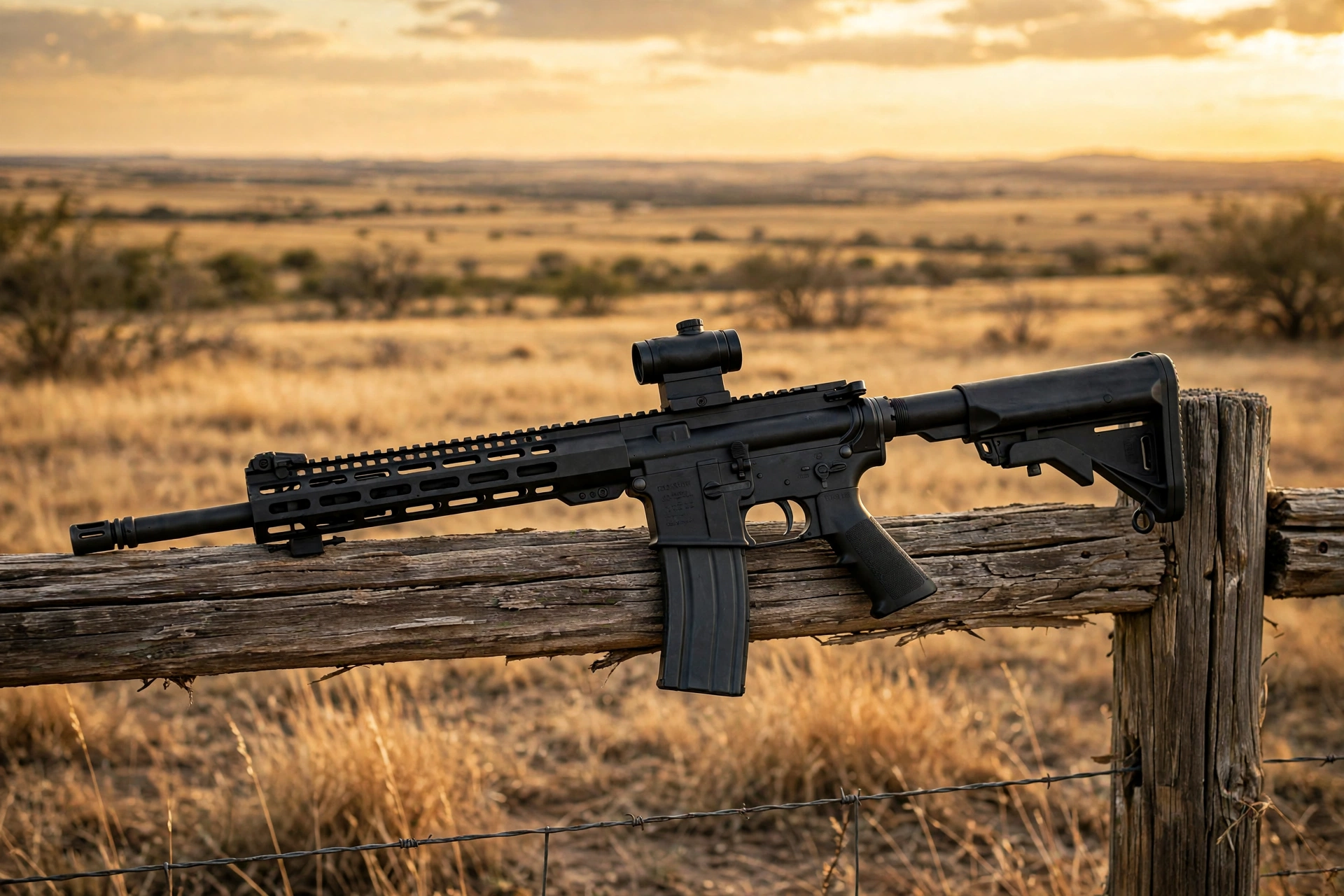
No firearm in American history has been all things to all people the way the AR-15 has. It is a ranch rifle and a match rifle, a first centerfire and a tenth build, a home defender and a workbench hobby that occasionally resembles furniture-making with more springs. To cover America's rifle honestly, you have to cover all of those lives at once — because the same person often lives several of them.
The platform's genius is not any single specification. It is modularity: an upper for the ranch, another for the match, a trigger swapped at the kitchen table, an optic chosen for the job rather than the brochure. The AR turned rifle ownership into rifle authorship, and a generation of Americans became builders as much as buyers.
Build culture
The workbench is where the AR's culture actually lives. Uppers, barrels, handguards, triggers — the parts ecosystem is deep enough that two rifles built on identical receivers may share almost nothing else, including purpose. Our build desk treats that ecosystem the way owners do: as a series of decisions, each with a reason, none of them sacred. A build is an argument about what a rifle is for, made in aluminum and steel.
Ranch, field, and the honest 5,000 rounds
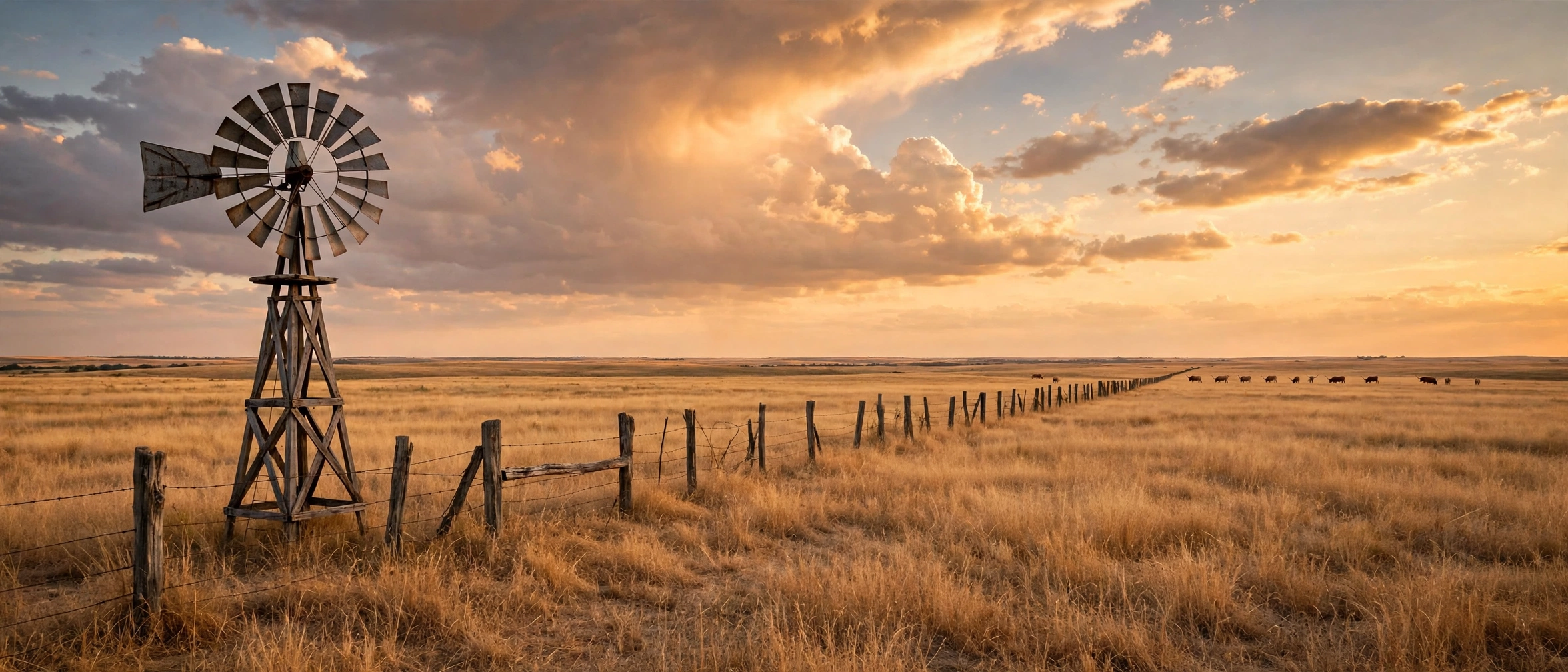
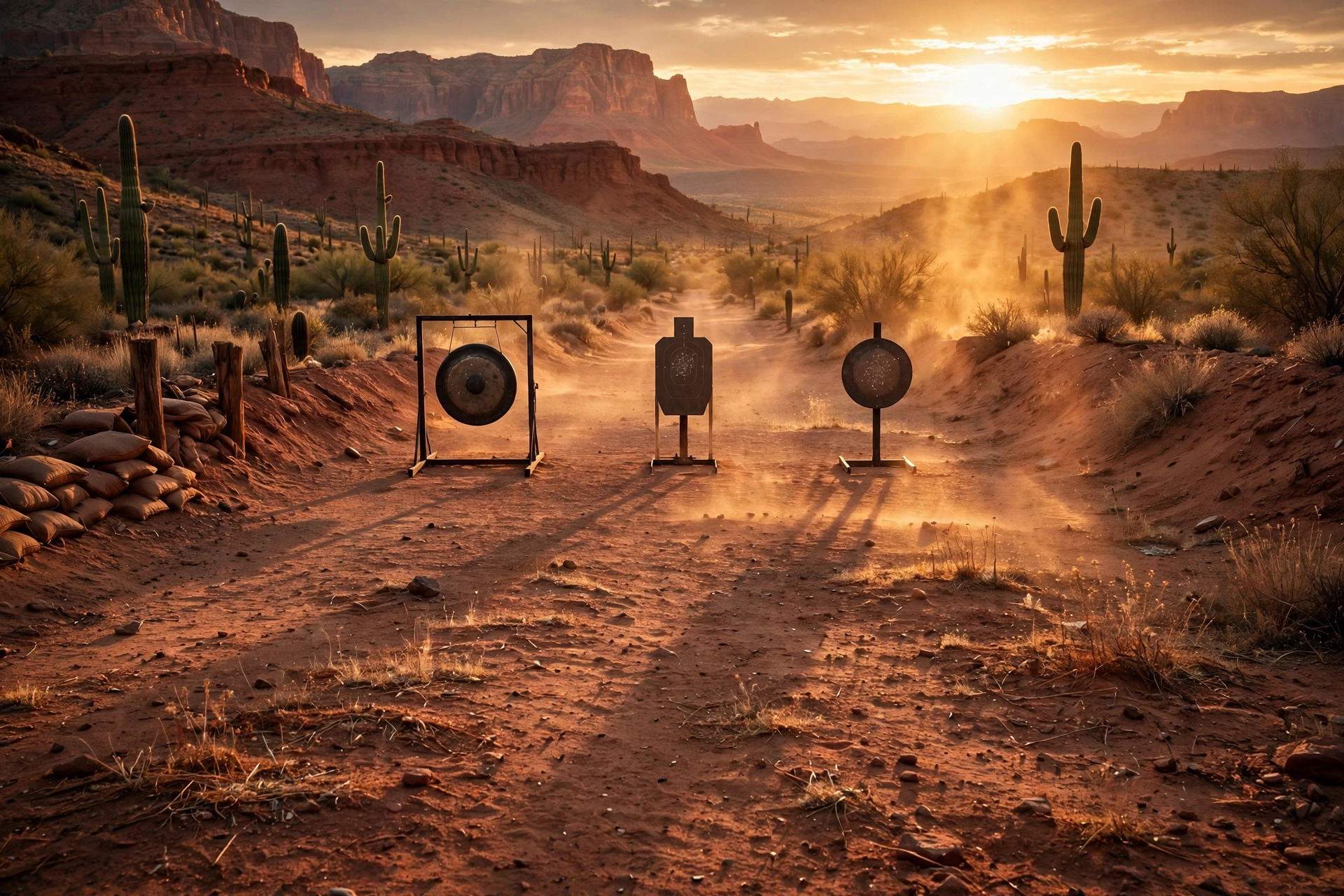
Away from the bench, the AR works for a living. On ranches across the plains it is the rifle that rides along — light, weatherproof, and chambered for the jobs fences and pastures invent. And at the range it teaches the curriculum no spec sheet can: what wears, what loosens, what a rifle feels like after five thousand rounds have sanded the newness off every claim. That long view — the rifle as it is lived with, not as it is launched — is the whole editorial promise of this desk.